SOCIAL MEDIA

From LOL To Backlash: The Hidden Cost Of Mocking Power On TikTok
SOCIAL MEDIA

From LOL To Backlash: The Hidden Cost Of Mocking Power On TikTok

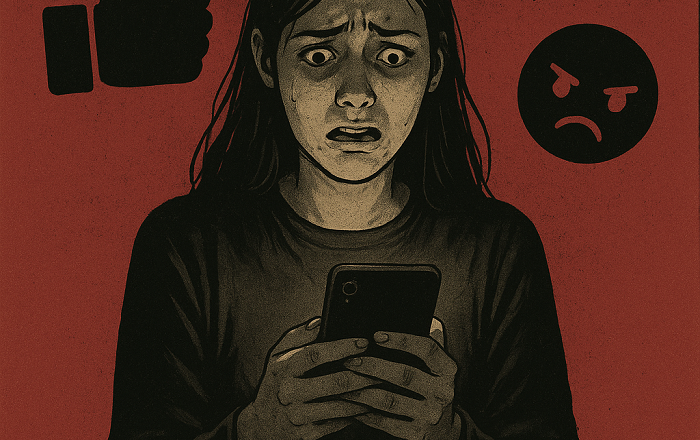
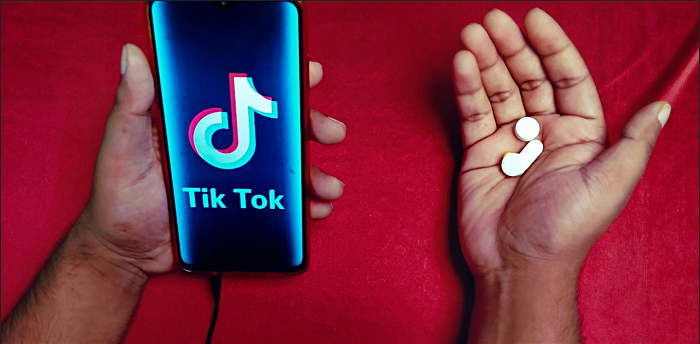
TikTok users in Ghana and Zimbabwe enjoy making fun of government – why it can have a downside. Browse the internet or turn on the global news and chances are the coverage of Africa you find is about war, coups, displaced populations and disease. Generally, the west and its media are blamed for this negative, Afropessimistic portrayal of the continent. Africans have taken strategic steps to repair this negative narrative. An example is the Africa Rising campaign. It was launched in 2000 by a coalition of African activists and organisations. Its objective was to highlight the role of Africa in global development and encourage Africans at home and the diaspora to contribute positively. Social media platforms played a large role in content distribution and messaging. The success of this ...
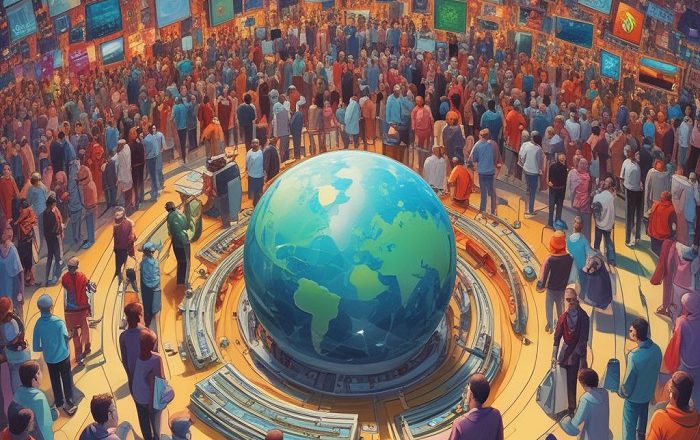
The Rise Of Private Communities: Are Public Platforms Fading?
SOCIAL MEDIA

The Rise Of Private Communities: Are Public Platforms Fading?

The Rise of Private Communities: Are Public Platforms Fading? In the age of mass connection, it seems paradoxical that people are increasingly choosing smaller, more private digital spaces over large public platforms. Once dominated by the open feeds of Facebook, Twitter (now X), and Instagram, our social interactions are steadily shifting toward closed groups, curated communities, and encrypted messaging platforms. The question is no longer if private communities are rising — it’s why, and what that means for the future of online engagement. From Town Squares to Living Rooms Public platforms were once digital town squares — places where anyone could share a thought, a meme, or a news story and broadcast it to the world. But as these platforms grew, so did their noise, toxicity, and...
The Dark Side Of Virality: When Going Viral Goes Wrong
SOCIAL MEDIA

The Dark Side Of Virality: When Going Viral Goes Wrong

The Dark Side of Virality: When Going Viral Goes Wrong In the world of social media, going viral is often seen as the ultimate success. Millions of views, thousands of shares, and instant internet fame—it sounds like a dream. But what happens when the spotlight turns harsh, the narrative gets twisted, or the fame becomes overwhelming? Virality isn't always a win. Sometimes, it backfires. The Allure of Going Viral For creators, brands, and businesses, viral content is a powerful magnet. It can: * Skyrocket your followers overnight * Bring in media coverage and collaborations * Lead to product sales or sponsorship deals * Create cultural moments But as many have learned the hard way, virality comes with baggage: misinterpretation, backlash, pressure, and sometimes even long-term d...
The Push For The Perfect Muscular Body
SOCIAL MEDIA

The Push For The Perfect Muscular Body

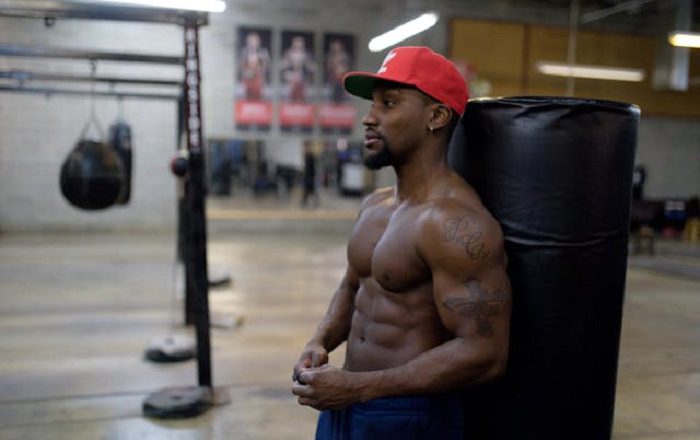
Social media’s push for the perfect muscular body is fuelling a new form of disordered eating — and young men are most at risk From celebrities and influencers to everyday people, social media is full of content that showcases perfectly toned, muscular bodies – and how to achieve them. Having a muscular physique is no longer confined to elite athletes and body builders – it has become a widely popular aspiration. But alongside the rising popularity of this kind of content has been an increase in the pressure that both men and women are feeling to achieve a more athletic, muscular physique. This seemingly healthy trend has coincided with the detection of a new form of disordered eating. Muscularity oriented disordered eating (Mode) refers to a set of disordered eating habits driven by ...
Why Do So Many People Fall For Fake Profiles Online?
SOCIAL MEDIA

Why Do So Many People Fall For Fake Profiles Online?

The first step in conducting online propaganda efforts and misinformation campaigns is almost always a fake social media profile. Phony profiles for nonexistent people worm their way into the social networks of real people, where they can spread their falsehoods. But neither social media companies nor technological innovations offer reliable ways to identify and remove social media profiles that don’t represent actual authentic people. It might sound positive that over six months in late 2017 and early 2018, Facebook detected and suspended some 1.3 billion fake accounts. But an estimated 3 to 4 percent of accounts that remain, or approximately 66 million to 88 million profiles, are also fake but haven’t yet been detected. Likewise, estimates are that 9 to 15 percent of Twitter’s 336 milli...
Snarkers — Anti-Influencer Fans Who Hone The Art Of Hating
INFLUENCERS, SOCIAL MEDIA

Snarkers — Anti-Influencer Fans Who Hone The Art Of Hating

In the $250B influencer industry, being a hater can be the only way to rein in bad behavior. Since 2020, content creator Remi Bader had accumulated millions of TikTok followers by offering her opinions on the fits of popular clothing brands as a plus-size woman. In 2023, however, Bader appeared noticeably thinner. When some fans asked her whether she’d undergone a procedure, she blocked them. Later that year, she announced that she would no longer be posting about her body. Enter snark subreddits. On Reddit, these forums exist for the sole purpose of calling out internet celebrities, whether they’re devoted to dinging the late-night antics of self-described “hot mess” Alix Earle or venting over Savannah and Cole LaBrant, a family vlogging couple who misleadingly implied that their dau...
Surge Of Imagery And Fakes — And International And Political Violence
SOCIAL MEDIA

Surge Of Imagery And Fakes — And International And Political Violence

Memes and conflict: Study shows surge of imagery and fakes can precede international and political violence. Imagine a country with deep political divisions, where different groups don’t trust each other and violence seems likely. Now, imagine a flood of political images, hateful memes and mocking videos from domestic and foreign sources taking over social media. What is likely to happen next? The widespread use of social media during times of political trouble and violence has made it harder to prevent conflict and build peace. Social media is changing, with new technologies and strategies available to influence what people think during political crises. These include new ways to promote beliefs and goals, gain support, dehumanize opponents, justify violence and create doubt or dismis...
Social Media And Mental Well-Being
SOCIAL MEDIA

Social Media And Mental Well-Being

Amplifying delusions: How social media can negatively impact our mental well-being. Imagine a tribe of uncontacted hunter-gatherers in the deepest Amazon rainforest. Anthropologists airdrop dozens of smartphones loaded with social media apps, with solar chargers, simple instructions in their native language and Wi-Fi just within the tribe. What would happen to their culture and their mental health? Such an experiment appears fanciful, but a similar one has been unfolding in our world for about 20 years. For the first time in human evolution, everyday social interactions have changed from face-to-face to disembodied experiences, from in-person to digital and from social reality to whatever someone puts online. Social media is an evolutionary novelty, like M&M’s, e-cigarettes, fen...
Could Reading Social Media Before Bedtime Wreak Havoc On Your Sleep?
SOCIAL MEDIA

Could Reading Social Media Before Bedtime Wreak Havoc On Your Sleep?

Social media before bedtime wreaks havoc on our sleep − a sleep researcher explains why screens alone aren’t the main culprit. “Avoid screens before bed” is one of the most common pieces of sleep advice. But what if the real problem isn’t screen time − it’s the way we use social media at night? Sleep deprivation is one of the most widespread yet overlooked public health issues, especially among young adults and adolescents. Despite needing eight to 10 hours of sleep, most adolescents fall short, while nearly two-thirds of young adults regularly get less than the recommended seven to nine hours. Poor sleep isn’t just about feeling tired − it’s linked to worsened mental health, emotion regulation, memory, academic performance and even increased risk for chronic illness and early mortal...
Election Interference Is More Insidious And Pervasive Thanks To Social Media
SOCIAL MEDIA

Election Interference Is More Insidious And Pervasive Thanks To Social Media

Thanks to social media platforms, election interference is more insidious and pervasive than ever. Seemingly innocuous conversations, informed by online campaigns, could interfere with elections. (Matt Quinn/Unsplash), CC BY   Election interference is a much broader phenomenon than is often assumed. Once limited to intimidation, voter fraud or hacking, election interference includes more mundane, pervasive and ubiquitous interactions. A seemingly innocuous and casual chat with a neighbour or barista could now be considered part of a hostile influence campaign. From this perspective, interference is less about how ballots are cast and more about shaping the motivations, intentions and contexts in which voters think about politics. Yet those same processes, debates, persuasions an...