
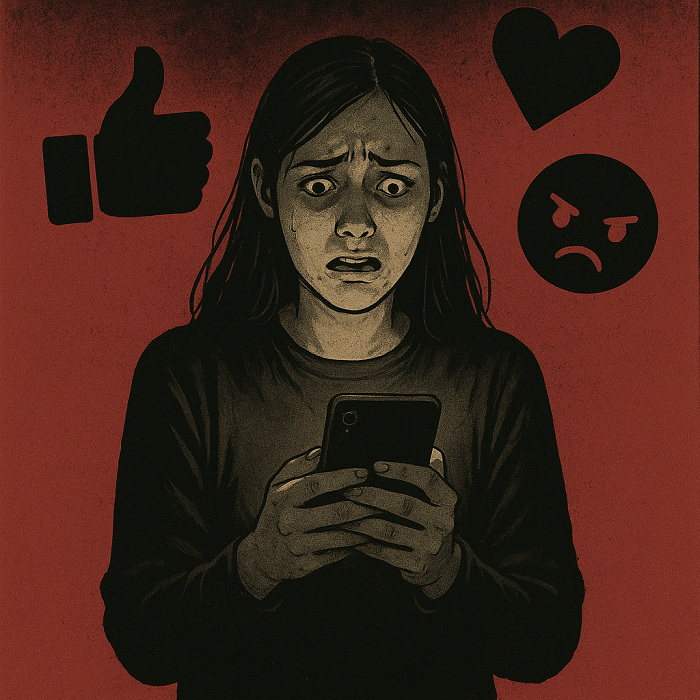
The Dark Side of Virality: When Going Viral Goes Wrong
In the world of social media, going viral is often seen as the ultimate success. Millions of views, thousands of shares, and instant internet fame—it sounds like a dream. But what happens when the spotlight turns harsh, the narrative gets twisted, or the fame becomes overwhelming?

Virality isn’t always a win. Sometimes, it backfires.
The Allure of Going Viral
For creators, brands, and businesses, viral content is a powerful magnet. It can:
* Skyrocket your followers overnight
* Bring in media coverage and collaborations
* Lead to product sales or sponsorship deals
* Create cultural moments
But as many have learned the hard way, virality comes with baggage: misinterpretation, backlash, pressure, and sometimes even long-term damage.
When Virality Turns Toxic
Here are some real-world examples that show how going viral can go wrong:
1. The Unintended Message
In 2017, a Pepsi ad featuring Kendall Jenner was meant to convey unity and peace—but instead, it was accused of trivializing protest movements. The backlash was immediate and intense. Pepsi pulled the ad within 24 hours, but the damage to their brand reputation lingered.
2. Meme-ified Without Consent
Remember the “Disaster Girl” meme? The photo of a young girl smirking in front of a burning house went viral for its humor. But for Zoe Roth, the girl in the image, that meme followed her for years—used out of context, remixed endlessly, and sometimes inappropriately. It wasn’t until she sold the image as an NFT that she reclaimed ownership.
3. From Hero to Target
Brands and individuals can go viral for the right reasons—only to later become targets. A viral tweet praising a small act of kindness can attract trolls, critics, or even media scrutiny. The internet’s mood can turn fast, especially when users dig into old content to “cancel” someone.
Why Virality Can Backfire
1. Lack of Control
Once something goes viral, the creator often loses control over how it’s used, interpreted, or shared. Context gets lost quickly on the internet.
2. Unprepared Platforms
Not everyone—or every business—is ready for that level of attention. Crashed websites, overwhelmed support teams, and unmoderated comment sections can create chaos.
3. Mental Health Toll
The pressure to keep performing, the wave of criticism, and the sudden flood of attention can be emotionally exhausting. Viral fame can feel isolating, invasive, and unpredictable.
How to Protect Yourself (and Your Brand)
If you’re chasing virality—or find yourself in it—here’s how to stay grounded:
-
-
-
- Have a crisis plan: Know how to respond if something goes viral for the *wrong* reasons.
- Stay authentic: Don’t force trends or hop on viral content just to chase views. Audiences can sense inauthenticity.
- Moderate early and often: Watch your comment sections, respond quickly to negativity, and protect your community.
- Think long-term: What seems funny or harmless now might not age well. Consider the future impact before hitting “post.”
-
-
Final Thoughts
Going viral can change your life—in good ways and bad. But it’s not a strategy. It’s a moment. And like any moment, it can be unpredictable, messy, and complicated.
So instead of chasing virality, build something that lasts. Community. Trust. Value.
Because fame fades. But integrity sticks.
Every product is selected by editors. Things you buy through our links may earn The IRL News a commission.