Thursday, April 2

SELF-CARE

Who Can You Trust and Why?
SELF-CARE

Who Can You Trust and Why?

I always find it interesting to watch politicians who attack their opponents and then, when they drop out of the race because of lack of support, back the person who they have been trashing. It is easy to attack others and make promises when you are hoping that others will vote for you! But the process doesn't always seem to be honourable. It is easy to listen to a charming individual who seems to have a good line but keep in mind the old expression that states: If it sounds too good to be true, it probably is". To trust means that you have confidence that someone or something is reliable and honest. You can trust the sun to rise each day. But how do you know who you can trust? There are several markers that will help you to decide if you should trust someone: They have a good track ...

Blacks are at higher risk for Alzheimer’s, but why?
SELF-CARE, VIDEO REELS

Blacks are at higher risk for Alzheimer’s, but why?

Blacks are at higher risk for several health conditions in the U.S. This is true for heart disease, hypertension, type 2 diabetes and stroke, which are often chronic diseases. And it is also for Alzheimer’s disease, in which blacks have two times higher incidence rates than whites. So, why do these disparities exist, especially in Alzheimer’s disease, which isn’t typically considered a chronic disease but a progressive one, or one that worsens over time? Some researchers attribute the gap to both societal and systemic factors related to inequities in education, socioeconomics, income and health care access. Other factors such as stress, diet, lifestyle and genetics may also contribute. However, there’s a less-explored question in Alzheimer’s that could contribute to this disparity: Is ...
Natural supplements can be dangerously contaminated, or not even have the specified ingredients
SELF-CARE

Natural supplements can be dangerously contaminated, or not even have the specified ingredients

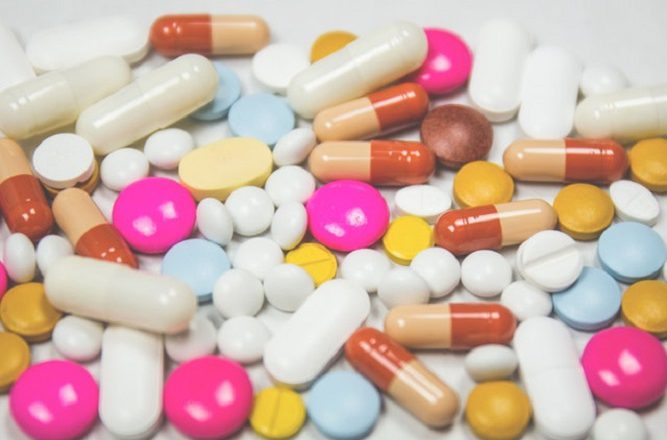
More than two-thirds of Americans take dietary supplements. The vast majority of consumers – 84% – are confident the products are safe and effective. They should not be so trusting. I’m a professor of pharmacy practice at the University of Connecticut. As described in my new article in the Annals of Pharmacotherapy, consumers take real risks if they use diet supplements not independently verified by reputable outside labs. What are the risks? Heavy metals, which are known to cause cancer, dementia and brittle bones, contaminate many diet supplements. One study of 121 products revealed 5% of them surpassed the safe daily consumption limit for arsenic. Two percent had excess lead, cadmium and aluminum; and 1% had too much mercury. In June 2019, the Food and Drug Administration seized 300...
The secondhand smoke you’re breathing may have come from another state
SELF-CARE

The secondhand smoke you’re breathing may have come from another state

Scientists estimate that each year in the U.S., outdoor air pollution shortens the lives of about 100,000 people by one to two decades. As it turns out, much of this pollution originates not in a person’s own neighborhood, but up to hundreds or even thousands of miles away in neighboring states. And, absent strong federal regulations, there’s very little Americans can do about it. In a study published on Feb. 12, we used state-of-the-art modeling to estimate the number of air pollution-related deaths that combustion emissions – those from any kind of burning, from cook stoves to car engines to coal power plants – from each state have caused in every other state over the past 14 years. On average, 41% of these air pollution deaths in the U.S. resulted from what we call “secondhand smok...
E-cig flavors may be more than alluring; they could cause damage themselves
SELF-CARE

E-cig flavors may be more than alluring; they could cause damage themselves

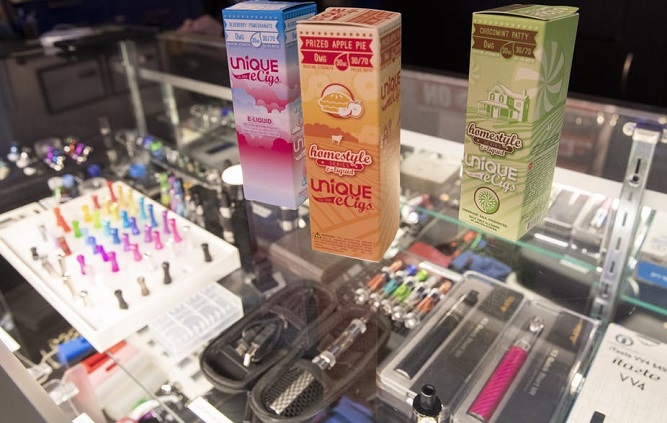
Millions of Americans are vaping, and some are getting sick. Since June 2019, 2,711 have been hospitalized and 60 have died due to EVALI (e-cigarette-associated lung injury), the devastating lung disease linked to e-cigarettes. Five million users are middle and high school students. Some are as young as 11, although it’s illegal to sell vaping products to anyone under 21. A vape shop in New York City shows a line of flavorings on Jan. 2, 2020. Mary Altaffer/AP Photo, CC BY-SA Especially for kids, much of the lure is flavor. E-cigarettes offer attractive smells and tastes. Fruit, mint, candy and dessert flavors are the favorites, and studies suggest they ignite the desire to vape. That’s why the Trump administration just banned the sale of those sweet flavors from cartridge-based e-cigs, t...
10 time-saving tips to get important stuff done
SELF-CARE

10 time-saving tips to get important stuff done

The irony of time management is that there is no time to address time management issues. “Waste neither time nor money, but make the best use of both” are wise words by Benjamin Franklin that still ring true today — perhaps even more so in this harried technologically advanced age. RescueTime.com editor Jory McKay pointed out that the irony of time management is that there is no time to address time management issues. However, never ending for many individuals is stress and concern that not enough time exists in a day to tackle necessary tasks. Peter Turla, a time management expert based in Flower Mound, Texas, said key advice is the old adage “Don’t sweat the small stuff,” or in his words: “Don’t spend dollar time on penny projects.” He encourages individuals to evaluate daily schedul...
Are ‘vaping’ and ‘e-cigarettes’ the same, and should all these products be avoided?
SELF-CARE

Are ‘vaping’ and ‘e-cigarettes’ the same, and should all these products be avoided?

As concerns over vaping continue to grow, researchers and public health officials are investigating the causes of more than 40 deaths and 2,000 illnesses. It’s confusing even for experts. The term “e-cigarette” refers to a battery-powered device used to inhale an aerosol that typically, but not always, contains nicotine, along with flavorings and other chemicals, but not tobacco. The National Institute on Drug Abuse (NIDA) and the Centers for Disease Control and Prevention recognize e-cigarettes as a broad category that includes a variety of different products that operate similarly and contain similar components. So, “e-cigarettes,” “vapes,” “vape pens,” “Juul,” etc., all refer to the same class of products, with “e-cigarette” being the product itself, and “vaping” referring to use of t...
Sick of Black Friday? Help others Buy Nothing
SELF-CARE

Sick of Black Friday? Help others Buy Nothing

In 1992, the Seinfeld episode “The Pitch” featured this conversation between the main characters: JERRY: And it’s about nothing? GEORGE: Everybody’s doing something, we’ll do nothing. JERRY: So, we go into NBC, we tell them we’ve got an idea for a show about nothing. A show about nothing may seem ludicrous, but what about a Black Friday that involves making no purchases? Yet, the Buy Nothing Project, founded in 2013, is a contrasting movement in an era when Black Friday is viewed as a day to buy everything. The Facebook-anchored project focuses on sharing existing items with others as a way to: ‒ Get to know neighbors and others within a community. ‒ Keep unwanted items from ending up in a landfill. ‒ Meet specific needs of others. ‒ Provide gently used or new items that can be given a...
Diabetes: A global epidemic costing billions
SELF-CARE

Diabetes: A global epidemic costing billions

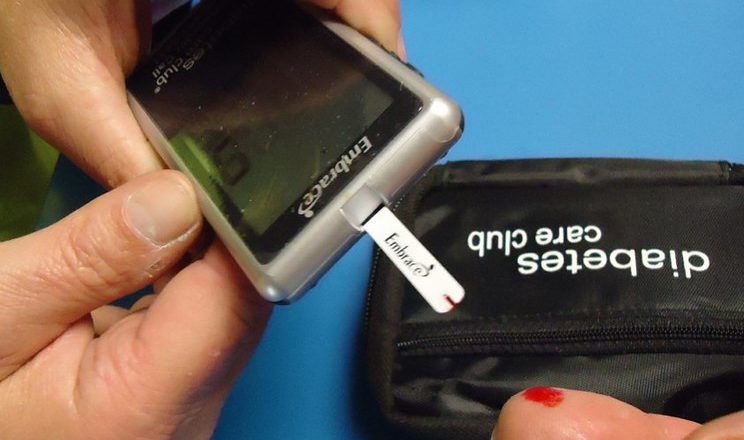
On World Diabetes Day, data shows the disease's incidence is declining in the United States, but rising globally. It's a disease that kills someone every eight seconds, and costs the globe over a trillion dollars every year. Diabetes is a chronic condition that strikes when the pancreas, an organ that is part of the digestive system, no longer produces sufficient insulin, a hormone that helps regulate blood sugar levels. Complications with the hormone can lead to various forms of diabetes, now at epidemic levels around the world. The United States Centers for Disease Control and Prevention (CDC) estimates that 1.5 million new cases of diabetes are diagnosed annually in the US alone. To lower that toll, the CDC has spent millions on prevention and education ca...
The Fear of Fat: Our Last Acceptable Bias
SELF-CARE

The Fear of Fat: Our Last Acceptable Bias

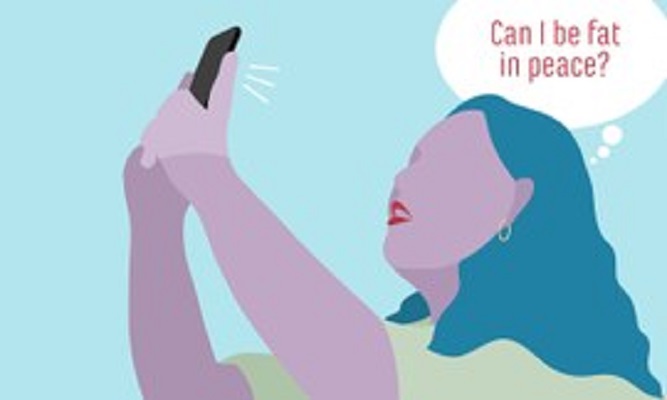
A sexist, racist history of anti-fatness and a for-profit “health” industry has left the U.S. with a weight problem—but not in the way you might think. The U.S. has a problem with its weight—but not in the way you might think. According to the Centers for Disease Control and Prevention, more than 70% of Americans are either overweight or obese, but there’s another side to the “obesity epidemic” that isn’t spoken about enough: fat bias. Americans who aren’t fat live in fear of becoming so. An estimated 45 million are on some kind of diet. According to a Gallup poll, 45% of Americans fret about weight, and in one study, almost half of girls ages 3 to 6 said they worried about being fat. This is not new. The 20th century opened with a rip-roaring debate about corsets. S...