Monday, December 15

SLEEP

What Really Works To Prevent Snoring?
SLEEP

What Really Works To Prevent Snoring?

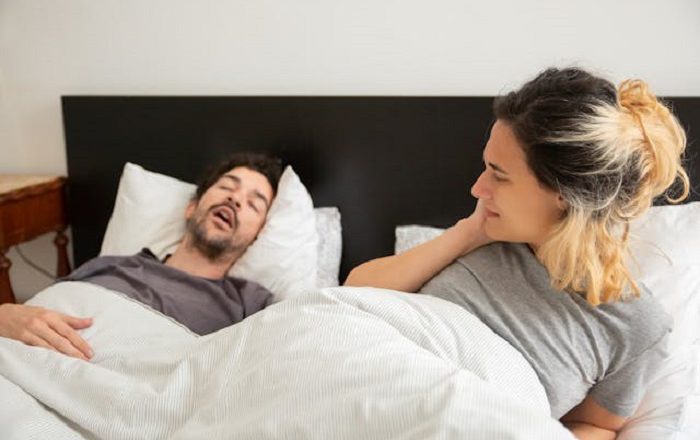
Whether the sound emitting from the snorer is what NSF describes as a “light rustle” or a “buzz saw,” it can wreak havoc on a bed partner’s ability to enjoy a peaceful night’s sleep. People snore for a number of reasons. The National Sleep Foundation points to primary causes as aging, nose and throat conditions, sleeping style, alcohol consumption and weight. NSF estimates 37 million Americans are frequent snorers, “with men and those who are overweight responsible for the bulk of it.” Whether the sound emitting from the snorer is what NSF describes as a “light rustle” or a “buzz saw,” it can wreak havoc on a bed partner’s ability to enjoy a peaceful night’s sleep. Nymag.com recommended in November a few over-the-counter sleep aids for snorers to try, including: - Nasal strips, which...
Exploring The Beauty Sleep Science
SLEEP, VIDEO REELS

Exploring The Beauty Sleep Science

Beauty Sleep Isn’t A Myth – A Sleep Medicine Expert Explains How Rest Keeps Your Skin Healthy And Youthful Have you ever woken up after a night of poor sleep, glanced in the mirror and thought, “I look tired?” You’re not imagining it. I am a neurologist who specializes in sleep medicine. And though “beauty sleep” may sound like a fairy tale, a growing body of research confirms that sleep directly shapes how our skin looks, how youthful it appears and even how attractive others perceive us to be. What happens during sleep Sleep is not just down time. Your body moves through distinct stages that serve different restorative functions. Deep, slow-wave sleep is the primary stage during which the body prioritizes tissue repair, muscle recovery and collagen production. Growth horm...
Could Reading Social Media Before Bedtime Wreak Havoc On Your Sleep?
SLEEP

Could Reading Social Media Before Bedtime Wreak Havoc On Your Sleep?

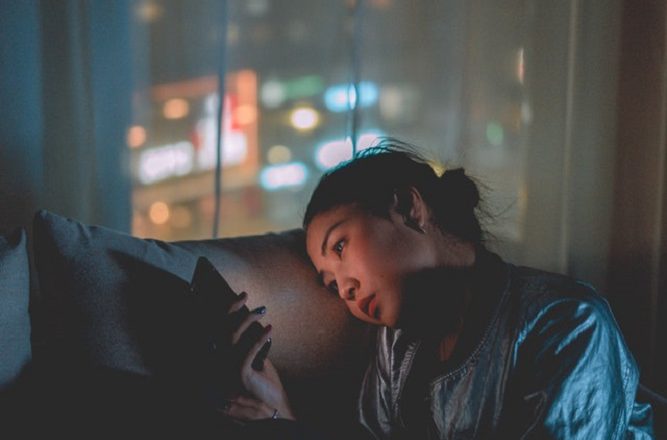
Social media before bedtime wreaks havoc on our sleep − a sleep researcher explains why screens alone aren’t the main culprit. “Avoid screens before bed” is one of the most common pieces of sleep advice. But what if the real problem isn’t screen time − it’s the way we use social media at night? Sleep deprivation is one of the most widespread yet overlooked public health issues, especially among young adults and adolescents. Despite needing eight to 10 hours of sleep, most adolescents fall short, while nearly two-thirds of young adults regularly get less than the recommended seven to nine hours. Poor sleep isn’t just about feeling tired − it’s linked to worsened mental health, emotion regulation, memory, academic performance and even increased risk for chronic illness and early mortal...
The Downside Of Daylight Saving Time
SLEEP, VIDEO REELS

The Downside Of Daylight Saving Time

Daylight saving time and early school start times cost billions in lost productivity and health care expenses. Investigations into the 1986 Space Shuttle Challenger disaster revealed that key decision-makers worked on little sleep, raising concerns that fatigue impaired their judgment. Similarly, in 1989, the Exxon Valdez oil spill resulted in a massive environmental catastrophe. The official investigation revealed the third mate, in charge of steering the ship, was running on too little sleep, among other problems. While these specific disasters were not caused by daylight saving time, they are conclusively linked to fatigue, based on postaccident investigations and reports. They underscore the well-documented dangers of sleep deprivation and fatigue-related errors. Yet a vast body of...
Why You Feel Better When Waking Yourself Instead Of Relying On An Alarm
SLEEP, VIDEO REELS

Why You Feel Better When Waking Yourself Instead Of Relying On An Alarm

Why do I feel better when I wake myself up instead of relying on an alarm? A neurologist explains the science of a restful night’s sleep.   Curious Kids is a series for children of all ages. If you have a question you’d like an expert to answer, send it to curiouskidsus@theconversation.com. Why do I feel better rested when I wake myself up than I do if my alarm or another person wakes me up? – Calleigh H., age 11, Oklahoma We’ve all experienced this: You’re in the middle of a lovely dream. Perhaps you’re flying. As you’re soaring through the air, you meet an eagle. The eagle looks at you, opens its beak and – BEEP! BEEP! BEEP! Your alarm goes off. Dream over, time to get up. Many people – kids and adults alike – notice that when they wake up naturally from sl...
Late Bedtimes Harm Developing Brains – And Poorer Kids Are More At Risk
SLEEP

Late Bedtimes Harm Developing Brains – And Poorer Kids Are More At Risk

Late bedtimes and not enough sleep can harm developing brains – and poorer kids are more at risk. Shorter sleep and later bedtimes are linked to potentially harmful functional changes to parts of the brain important for coping with stress and controlling negative emotions, our recently published research found. And children in families with low economic resources are particularly at risk. We are neuroscientists who are passionate about reducing socioeconomic disparities in child development. To better understand how socioeconomic disadvantage affects sleep health and brain development in children, we recruited 94 5- to 9-year-old children from socioeconomically diverse families living in New York. About 30% of the participating families had incomes below the U.S. poverty threshold. ...
The Downside To ‘Springing Forward’
SLEEP

The Downside To ‘Springing Forward’

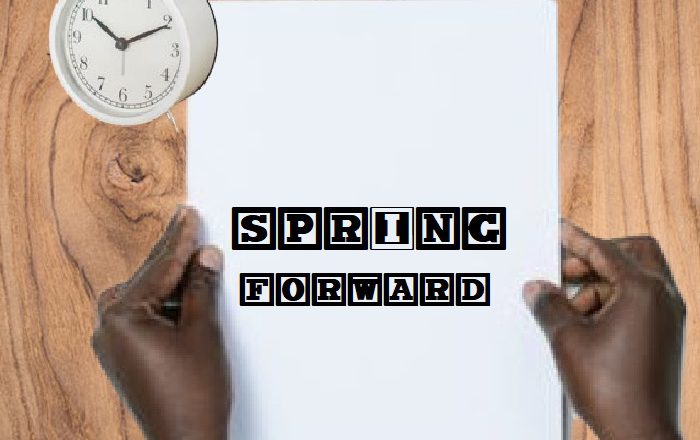
Could the days of ‘springing forward’ be numbered? A neurologist and sleep expert explains the downside to that borrowed hour of daylight. As people in the U.S. prepare to set their clocks ahead one hour on Sunday, March 10, 2024, I find myself bracing for the annual ritual of media stories about the disruptions to daily routines caused by switching from standard time to daylight saving time. About one-third of Americans say they don’t look forward to these twice-yearly time changes. And nearly two-thirds would like to eliminate them completely, compared with 17% who aren’t sure and 21% who would like to keep moving their clocks back and forth. But the effects go beyond simple inconvenience. Researchers are discovering that “springing ahead” each March is connected with serious negative...
What Food Choices Will Help You Get More Restful Sleep
SLEEP, VIDEO REELS

What Food Choices Will Help You Get More Restful Sleep

What’s the best diet for healthy sleep? A nutritional epidemiologist explains what food choices will help you get more restful z’s. You probably already know that how you eat before bed affects your sleep. Maybe you’ve found yourself still lying awake at 2 a.m. after enjoying a cup of coffee with dessert. But did you know that your eating choices throughout the day may also affect your sleep at night? In fact, more and more evidence shows that overall dietary patterns can affect sleep quality and contribute to insomnia. I am a nutritional epidemiologist, and I’m trained to look at diets at the population level and how they affect health. In the U.S., a large percentage of the population suffers from poor sleep quality and sleep disorders like insomnia and obstructive sleep apnea, a conditi...
Coffee Or A Nap? — Why There’s No Substitute For Shut-Eye
SLEEP

Coffee Or A Nap? — Why There’s No Substitute For Shut-Eye

Can coffee or a nap make up for sleep deprivation? A psychologist explains why there’s no substitute for shut-eye. There is no denying the importance of sleep. Everyone feels better after a good night of sleep, and lack of sleep can have profoundly negative effects on both the body and the brain. So what can be done to substitute for a lack of sleep? Put another way, how can you get less sleep and still perform at your peak? As a psychologist who studies the ways in which sleep benefits memory, I’m also interested in how sleep deprivation harms memory and cognition. After some initial research on sleep deprivation and false confessions, my students at Michigan State University’s Sleep and Learning Lab and I wanted to see what interventions could reverse the negative effects of sleep depri...
Frazzled Health Care Workers – Poor Sleep May Turn Stress Into Poor Mental Health
SLEEP

Frazzled Health Care Workers – Poor Sleep May Turn Stress Into Poor Mental Health

Health care workers are frazzled – and poor sleep may turn stress into poor mental health. Health care workers often put the health and safety of their patients first, neglecting to take care of themselves. By providing continuous services around the clock, many experience short and poor-quality sleep, risking not only their own health and safety but also increasing the risk of making errors that can affect patient safety. I am an occupational health researcher who studies work, sleep and health among health care workers. My research has found that emotional labor – such as using fake smiles to hide true feelings – and work-family conflict – such as clashing demands between roles at work and at home – are both linked to depressive symptoms among health care workers. And poor sleep quality...