
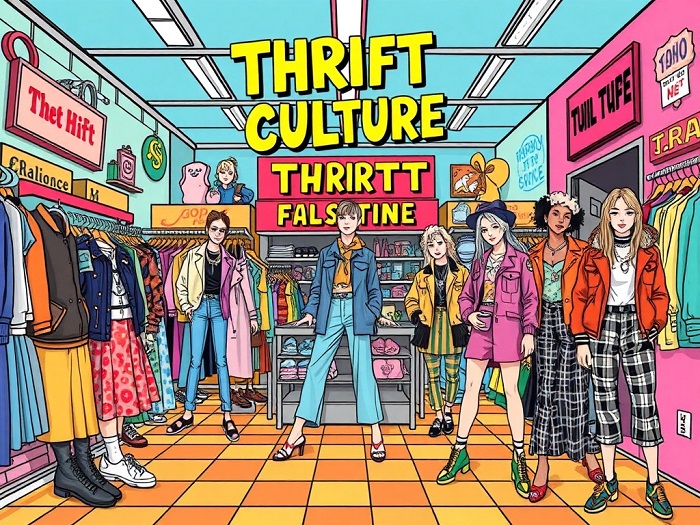
Discover how thrift culture went from bargain racks to high fashion runways. Learn why secondhand style is redefining luxury, sustainability, and individuality in modern fashion.
Not long ago, thrift shopping was dismissed as something people did out of necessity, not style. Secondhand stores were often associated with bargain hunters and vintage enthusiasts on the fringe of mainstream fashion. Fast-forward to today, and thrifting has flipped the script: what was once considered lowbrow has been embraced by influencers, celebrities, and high-end designers alike. Thrift culture is no longer just about saving money—it’s about making a statement.
From Necessity to Trend
Thrift culture has its roots in practicality. Generations of shoppers turned to secondhand stores for affordability, discovering hidden gems out of necessity rather than desire. But as the stigma faded and sustainability became a global conversation, the appeal of thrifting shifted. Suddenly, shopping secondhand wasn’t about what you couldn’t afford—it was about choosing authenticity, individuality, and a more eco-conscious lifestyle.
The 2000s marked a turning point. With the rise of Y2K fashion nostalgia and platforms like Depop, Poshmark, and ThredUp, thrift shopping entered the digital space. Young people realized they could not only score one-of-a-kind outfits but also resell finds for profit. Thrift culture became social currency, celebrated for its uniqueness and DIY spirit.
The Celebrity Seal of Approval
Like any trend, thrift culture got a major boost when celebrities started embracing it. Stars such as Zendaya, Janelle Monáe, and Bella Hadid have proudly sported thrifted or vintage pieces on red carpets and in streetwear fits. When icons with millions of followers showcase secondhand finds, they redefine what “luxury” means. Suddenly, the $12 vintage jacket carries more cultural clout than a $1,200 designer one.
This trickle-down effect reshaped consumer behavior. Fans and fashion lovers alike began flocking to thrift shops, estate sales, and online resale platforms in search of unique pieces that could give them the same effortlessly cool vibe.
Sustainability Meets Style
Another factor fueling thrift’s rise to high fashion is sustainability. The fashion industry is infamous for its environmental impact, with fast fashion contributing massive amounts of waste and pollution. In contrast, thrifting aligns with eco-conscious values. Buying secondhand extends the life cycle of clothing, reduces textile waste, and minimizes reliance on overproduction.
For Gen Z and millennials especially, sustainability isn’t just a buzzword—it’s a core value. By shopping thrift, younger generations are merging fashion with activism, proving that style and ethics can go hand-in-hand.
High Fashion Joins the Movement
Perhaps the most surprising twist in thrift’s rise is how luxury brands have adapted. Fashion houses like Gucci, Balenciaga, and Stella McCartney have leaned into vintage aesthetics, even collaborating with resale platforms or launching their own secondhand initiatives. What was once grassroots has now been co-opted by the very industry it rebelled against.
But while critics argue that the mainstreaming of thrift culture risks watering down its authenticity, others see it as validation. What started as a subculture rooted in necessity has become a legitimate pillar of the global fashion conversation.
The Future of Thrift Culture
As fashion continues to cycle through trends at lightning speed, thrift culture offers something rare: originality. Whether it’s a bold vintage jacket or a reworked pair of jeans, secondhand finds carry history and personality that fast fashion simply can’t replicate.
The fashion flip isn’t just about clothes—it’s about values, identity, and cultural power. Thrift culture has gone from the fringes to the front row, proving that style isn’t about the price tag, but about the story you choose to tell.
Every product is selected by editors. Things you buy through our links may earn “The IRL News” a commission.