Tag: pandemic

Pandemic-Induced Voter Suppression
Journalism, POLITICS, SOCIAL JUSTICE

Pandemic-Induced Voter Suppression

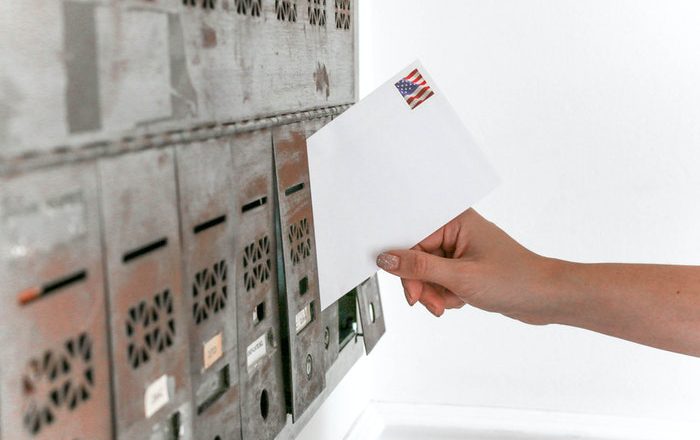
Voting rights have always been inconsistently applied. Now the coronavirus pandemic is threatening those rights even more, and activists are pushing back. Georgia’s mid-June primary was the latest example of pandemic-induced voter suppression. Long lines at polling stations stretched for blocks and blocks as socially distanced voters waited for several hours to vote in person. In Fulton County, which includes Atlanta and is the state’s most populated county, some voters waited past midnight to cast their ballot. Scenes like the one in Georgia—and Wisconsin before that—have ignited a national conversation about voting by mail. In response, President Trump has claimed that voting by mail “will lead to massive fraud” and favor the Democratic Party. Notably, Twitter even placed a fact-checkin...

Poor and black ‘invisible cyclists’ need to be part of post-pandemic transport planning too
Journalism

Poor and black ‘invisible cyclists’ need to be part of post-pandemic transport planning too

As states and workplaces prepare to open up after the lockdown, many people are looking for alternatives to public transit to get to work. The National Association of City Transport Officials reports an “explosion in cycling” in many U.S. cities. Bike stores are selling out, and global supply chains are struggling to meet demand. But the post-pandemic ride will be more bumpy for some. Low-income and minority groups are often more reliant on cheaper modes of travel such as cycling. Back in 2013, the League of American Bicyclists reported that “the fastest growth in bicycling is among the Hispanic, African American and Asian American populations.” Yet these groups may find cycling to work more problematic. As a professor of urban and environmental policy and planning, I believe it critica...
Finding Racial Healing During the Pandemic
SOCIAL JUSTICE

Finding Racial Healing During the Pandemic

As a kid growing up in White America, learning to embrace my Asianness has often felt like rebellion. During the COVID-19 pandemic, it feels more political than ever. Added anxiety over the rise in anti-Asian violence has shaken my community’s sense of security. I’ve heard and seen plenty of advice on how to stay physically safe—most of which prescribes assimilation and exceptionalism, which has proven ineffective for BIPOC throughout history. Rather than performing useless acts that take us further away from ourselves, I recommend practicing a form of radical acceptance. We can and should call out racism, defend ourselves, and work towards policy change to improve racial justice. But with radical acceptance, we let go of the idea that it’s our job to prove our worth as humans; to change...
Low-income Americans have borne the brunt of the coronavirus pandemic. They may also get left behind in the recovery.
IN OTHER NEWS

Low-income Americans have borne the brunt of the coronavirus pandemic. They may also get left behind in the recovery.

Income inequality has increased dramatically in the United States over recent decades, surpassing its previous peak in the 1920s. In 2016, the average income among the bottom 24.9 million households was US$21,000. Meanwhile, the top 1%, or 1.2 million households, earned an average household income of $1.8 million. These disparities have spurred social movements and become a central issue for some candidates in the 2020 U.S. presidential election. However, much of the attention has focused on inequality across the entire U.S. population, regardless of where individuals live. Our research and other studies show that levels of income inequality within counties and cities vary considerably across the country. Challenges in rural areas Our work focuses specifically on differences in inc...
5 ways parents can motivate children at home during the pandemic – without nagging or tantrums
SOCIETY

5 ways parents can motivate children at home during the pandemic – without nagging or tantrums

Parents have always helped with homework and made sure their children fulfill responsibilities like chores, but the extended and often unstructured time families are spending together during the current crisis creates new challenges. After a disaster like a hurricane or fire, establishing structure is important to keep consistency and maintain a sense of control for both parents and children. This includes creating a schedule and communicating clear expectations and guidelines on things such as screen time. But how do parents get children to follow the schedule and fulfill responsibilities without nagging and in a way that prevents blowups and tantrums? Wendy Grolnick, a psychologist and parenting expert who has worked with parents in disaster situations, has studied how parents can hel...